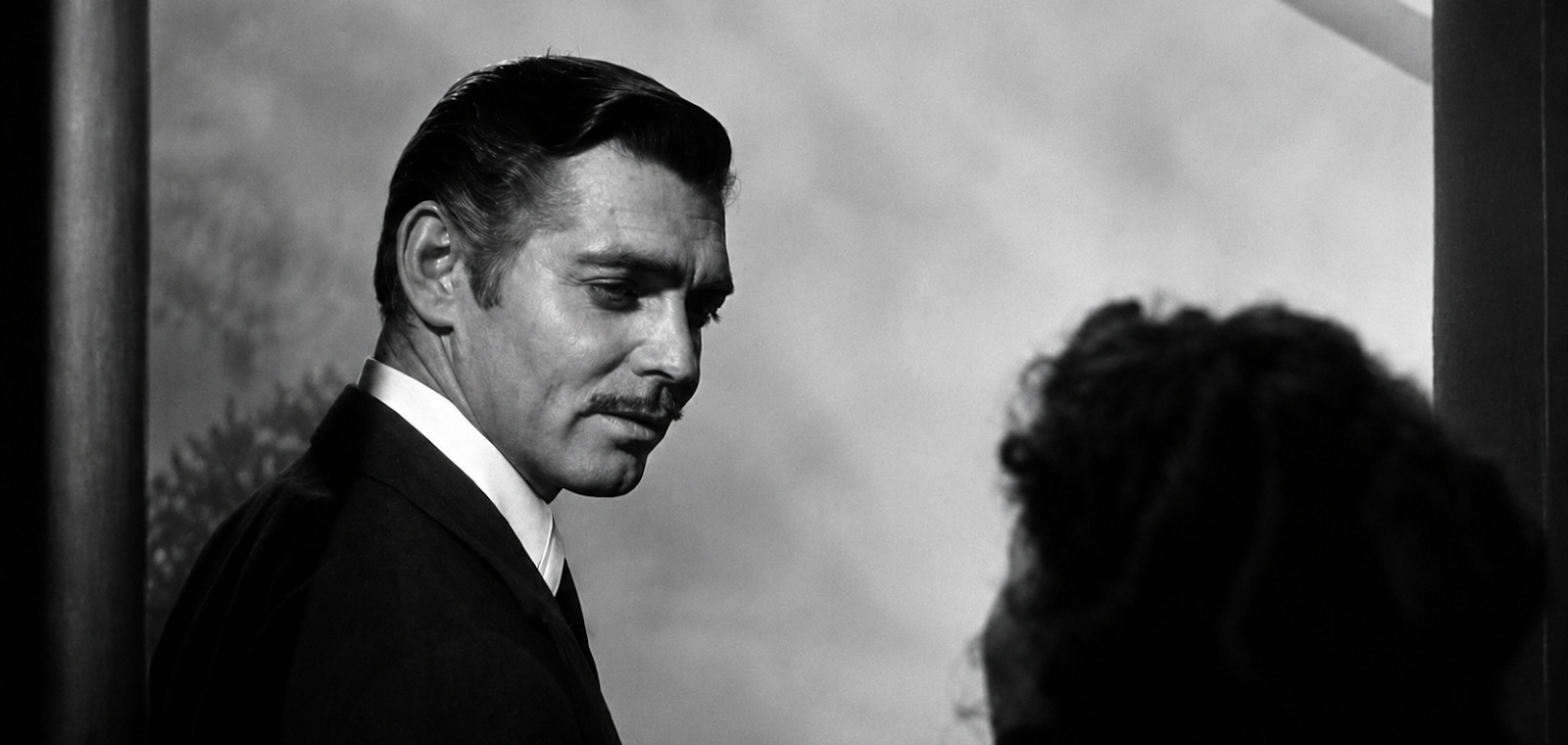
Source: Gone with the Wind movie, 1939, last scenes
A true story about self-worth, loyalty, and knowing when enough is enough.
Loyalty is one of the virtues I'm most proud of.
It has also been one of my hardest lessons.
There comes a moment when you stop trying to convince people of your worth.
Not because you've become bitter.
Because you've outgrown bitterness.
Not because you've stopped caring.
But because you've finally realized that if someone only recognizes your value when you're walking away, they never truly valued you while you were there.
"Frankly, my dear, I don't give a damn."
I've always loved that line—not because it's dismissive, but because it captures the quiet freedom of letting go. It marks the moment when you stop negotiating your worth and start protecting your peace.
This isn't just about work.
It's about jobs, relationships, friendships—any place where you're taken for granted. You keep showing up. You keep proving yourself. You keep believing that if you work a little harder, love a little better, or stay a little longer, someone will finally see what you've been giving all along.
Then something changes.
You stop asking to be appreciated.
You stop explaining.
You stop waiting.
And when the offers finally come, when the apologies finally arrive, when people suddenly remember everything you brought to the table, your answer is no longer driven by anger.
It's driven by peace.
Because by then, you've already left in your heart.
When I leave, I leave for good. That's been true throughout my entire life. Once I make the decision, there is no looking back. But reaching that decision has never been easy.
I wasn't born that way.
Quite the opposite.
I've always stayed longer than I probably should have. I've believed in second chances. I've honored my commitments, even when others hadn't honored theirs. I've stayed because I believed things could still change. I've stayed because loyalty mattered to me. I've stayed because walking away has never been the easiest choice.
Leaving has never been my first option.
It's always been my last.
And perhaps that's precisely why, when I finally decide to walk away, I know there is nothing left to save.
That certainty wasn't something I had from the beginning. It was learned, one difficult experience at a time.
This is my story about how I came to understand that sometimes quitting is the best choice—and why, once you do, you shouldn't look back.
It's easy to forget how different looking for a job was a little over twenty years ago. There was no LinkedIn, no "Easy Apply," no endless stream of openings refreshed every hour. New job openings appeared in the newspaper, and Monday's edition was the one I eagerly waited for. Every application meant preparing a CV, writing a cover letter, and finding a fax machine. I remember standing in long queues at the post office because it was one of the few places that offered fax services, sending application after application into what felt like a void. Then there was nothing left to do but hope—and wait for the phone to ring. There was no confirmation that anyone had received your CV, no tracking, no instant reply. Just silence, hope, and the anticipation that maybe, this time, the next call would change your life.
Walking away from a job back then wasn't an act of confidence. It was a leap into uncertainty.
One of my first jobs taught me a lesson I've carried throughout my entire life: looking back, I realize once again that staying there any longer would have been the greater risk.
I had a manager who was, first and foremost, an entrepreneur. Entrepreneurs have a remarkable ability to spot potential before experience catches up. He believed in me long before I had enough reasons to believe in myself. I was young, inexperienced, but passionate, curious, and eager to learn. While others might have seen only a junior employee, he saw someone worth investing in.
He entrusted me with responsibilities far beyond my years. One of them was building an entirely new line of business. We didn't always agree—he made some important decisions, like choosing the location of a new store, without seeking enough input from the people closest to the project. Even so, I have always appreciated the confidence he placed in me. That trust shaped my career in ways he probably never realized.
Trust, especially early in your career, is a remarkable gift.
The problem was that trust wasn't accompanied by ethical leadership.
He trusted me, but respect wasn't part of the culture. No amount of personal confidence can compensate for a workplace where people are not treated with dignity.
He created a culture where late Friday meetings were normal. A meeting at 5:30 p.m. on a Friday wasn't an exception—it was almost expected. People were spoken to harshly. Pressure was constant. Fear seemed to be an accepted management tool.
I didn't agree with it then, and I certainly don't now.
Perhaps because I was too young—or too stubborn to comply—I simply packed my bag and left when my workday was over. I never asked for permission. Curiously, he never asked me to stay.
Maybe he sensed my boundaries.
Maybe he knew I wouldn't compromise them.
After only three months, I resigned.
Not because I had another opportunity waiting.
I simply needed to breathe.
A few days later, he called.
He wanted me back.
To my own surprise, I accepted.
Not because anything had changed.
Not because I believed it would be different.
If I'm honest, I returned because I felt ashamed. Leaving after only three months felt like failure. I wasn't someone who quit.
He asked me to stay for at least another year.
I told him I couldn't promise that. I could only promise another six to eight months.
I stayed long enough to complete almost a full year with the company.
I kept my word.
But my return also gave me the clarity I hadn't had the first time.
The strange part is that I was never the target of his behavior.
He always treated me with respect, and perhaps that was because our relationship, built on mutual trust, was simply different.
Many of my colleagues weren't as fortunate.
I watched talented people being diminished. I absorbed the tension in every meeting. I never mistook fear for leadership or humiliation for performance. But knowing something is wrong doesn't make you immune to its effects.
Long before I admitted it to myself, my body already knew.
The palms of my hands became red and inflamed. My skin reacted. Painful pimples suddenly appeared across my neck.
At the time, I didn't understand what was happening.
Today I do.
I was somatizing the workplace.
Every day I stayed, the symptoms became harder to ignore.
By the time I resigned for the second time, I wasn't running away.
I was finally listening.
There was no hesitation.
No guilt.
No second thoughts.
He asked me to reconsider. He wanted us to talk. He hoped we could find a way forward.
But by then I had already found something I hadn't realized I was missing.
Peace.
I had found a workplace where I didn't have to sacrifice my health to prove my commitment.
Oddly enough, I remain grateful to him.
He gave me one of the greatest opportunities of my early career—and one of my greatest life lessons.
They just happened to come from the same person.
That wasn't the last time I was asked to stay.
Over the years, I've seen the same pattern repeat itself. A resignation suddenly unlocked the budget that wasn't there. The promotion that wasn't possible. The appreciation that had never been expressed.
Once I realize I have to leave to be valued, I know it's already too late.
Sometimes people realize your value only after you've decided to leave.
They remember the problems you solved.
They remember your loyalty.
They remember your commitment.
Ironically, that's often the same moment you've finally remembered your own worth.
Leaving isn't about giving up.
It's about recognizing when loyalty starts costing you your dignity—or your health.
Some doors are meant to close.
And when they do, you shouldn't look back.
You simply smile, at peace with your decision, knowing that everyone is replaceable and that life—and business—will always find a way to move on.
Then, quietly, you say:
"Frankly, my dear, I don't give a damn."
Author's note
The title is inspired by the iconic closing line from the 1939 film Gone with the Wind. Rhett Butler utters those words only after exhausting every reasonable attempt to save a relationship that can no longer be saved. To me, the quote has never been about bitterness or revenge. It's about reaching the point where you've done everything you reasonably could, accepted what cannot be changed, and found the peace to move on.
That's the spirit in which I chose it.