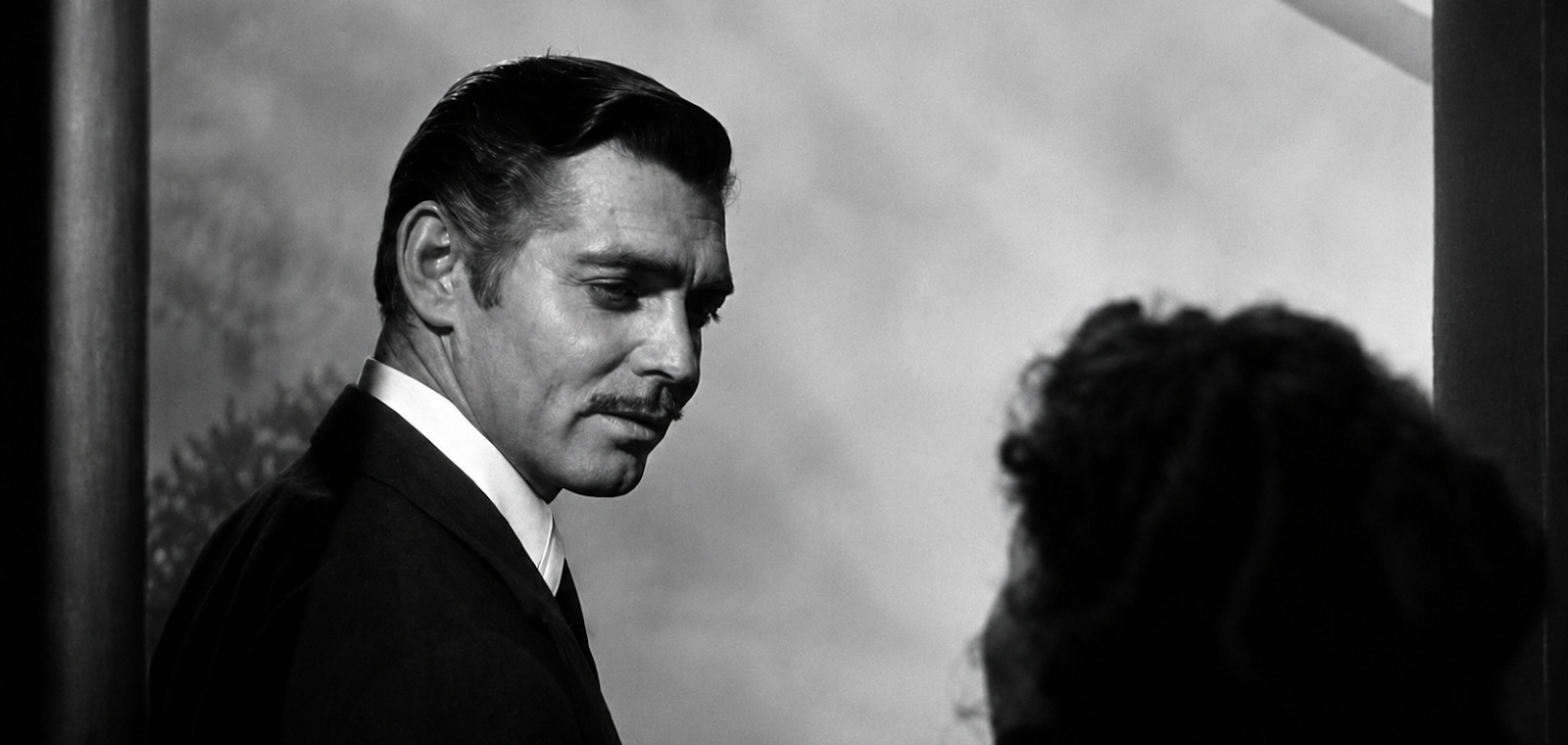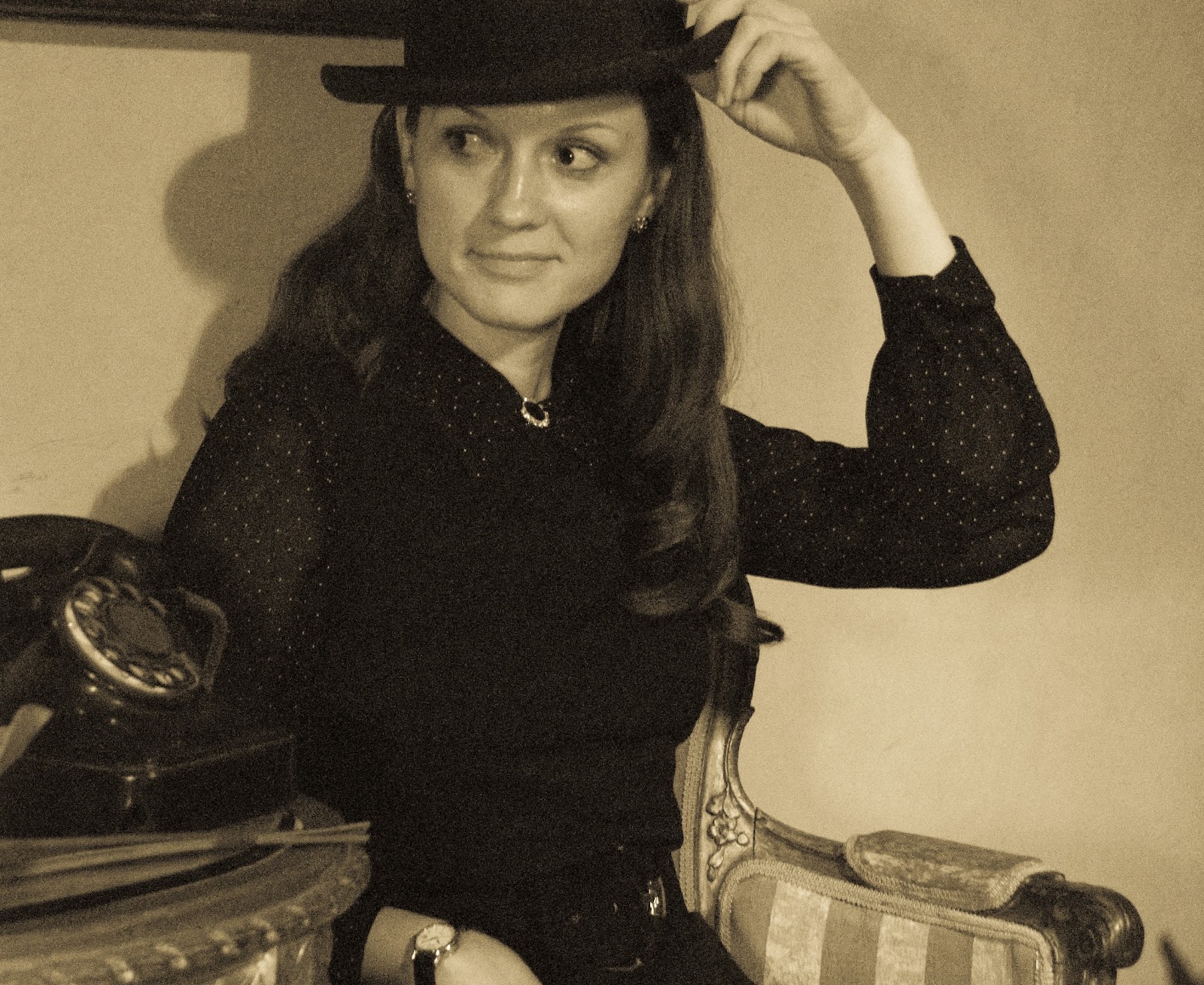
Source: my personal archive
A perfect executive event, a clash of egos, and the lesson that control can become the biggest risk.
Perfectionism is often seen as a synonym for professionalism.
For years, I used to be a perfectionist and believed controlling every detail was the only way to create great outcomes.
Then one evening, while organizing a high-stakes executive event, that mindset almost ruined everything — just minutes before the guests arrived.
It took me a while to understand the real lesson.
From time to time, I watch how people behave and I recognize something familiar in it — the old version of me.
The urgency.
The need to control every detail.
The quiet frustration when things don’t go exactly as planned.
It’s like looking at a reflection from a past life.
Sometimes I smile when I notice it. Not with judgment, but with a quiet sense of distance — the kind you feel when you’ve already walked through a door someone else is still trying to find.
Part of me wants to stop them and say, “You don’t have to carry it like that. It’s heavier than it needs to be.”
I want to explain that perfection isn’t the solution. That control is mostly an illusion. That things often work out better when you loosen your grip instead of tightening it.
But experience has taught me something else too: not everyone is ready to hear that.
Some lessons can’t be explained. They have to be lived.
I remember one episode very clearly.
At that time I used to organize events the same way I approached everything else: they had to be perfect. Not just good — perfect. I would polish every detail again and again until everything matched the image I had in my mind.
Once, I organized a customer event for tens of executives from our customer portfolio — CFOs, CEOs, and CIOs from companies we had spent years building relationships with. These were the people whose companies held the budgets we hoped to open, so the pressure was high. We needed them there, we needed to welcome them properly, to make them feel pampered and valued, and above all to deepen the relationship with them.
I have always had a weakness for art and old memories, so I built the whole evening around a theme of “old times.”
I chose a premium location in the heart of the city.
We had fine food and carefully selected wines, and invited a sommelier from one of the famous Romanian wine houses. I worked with a printing house to produce elegant invitations and beautiful keepsakes for the guests, and I also hired a photographer to complete the experience with black-and-white, old-style photographs meant to be sent afterwards to the guests as a memorable follow-up.
There were carefully placed decorations and small touches designed to make the evening feel timeless.
When my creativity is stimulated, things tend to grow organically. Ideas flow, connections appear, and the whole project develops naturally. Those are the moments when I produce my best work.
But there is another side to it.
When I work like that, I also become intensely focused. Tense. Protective of the vision I have built in my head. I become reluctant to any other course of action.
And that evening, this almost led to a disaster.
The photographer I had hired was an older man — he could easily have been my father. And he didn’t match my carefully designed scenario about how the guests should be welcomed and where the corner for the old photographs should be placed.
At first, it seemed like a small disagreement, and I assumed he would simply do as I asked.
But he stood his ground.
Within minutes it became something else entirely.
What started as a disagreement quickly turned into a confrontation. We were both perfectionists — just with different priorities. He was the perfectionist artist; I was the perfectionist marketer proudly wearing the event manager hat. Two versions of perfection.
He wanted the perfect lights and the perfect photographs, with all the equipment displayed along the welcoming path. I did not bother much about a shadow or two — I just wanted a perfectly clean and seamless event from welcome to goodbye.
At some point he said he would pack his equipment and leave.
And the worst part was the timing — we were only minutes away from the moment when the first guests were expected to arrive.
For a moment I felt the ground disappear under my feet.
Everything I had built — weeks of preparation, dozens of details — depended on that moment.
And there we were, two people with inflated egos standing in the middle of a beautiful venue, ready to ruin the whole evening.
He insisted he knew what he was doing.
I insisted even more — after all, I was the customer and the organizer.
Looking back, neither of us was really listening.
My salvation that day was my manager. I was reporting directly to the General Manager, and he was incredibly supportive - as he had been so many times along the way. He trusted me, and I remain deeply grateful for the privilege he gave me when he chose me to be part of his team, for so many years. That trust meant a lot — and in that moment, I needed it more than ever.
I called him, explained the situation, and he calmly stepped in. A few quick calls later, the tension started to dissolve. It was like adding a few drops of cool water to mayonnaise when it begins to split — suddenly everything comes back together.
With calm and authority, he managed what neither of us could manage ourselves.
The photographer stayed.
The evening unfolded exactly as it should have.
And eventually we shook hands — and even laughed about it. We parted as friends.
And yes — the event was, in the end, truly perfect and memorable for many people.
But what stayed with me much longer than the success of the event was the realization of how close I had come to ruining it, simply because I could not loosen my grip for a moment.
That day I learned something I would understand much better later.
Perfection alone doesn’t create perfect outcomes — it can leave them rigid, frozen, and stuck, unable to evolve.
Particularly when two versions of perfection collide.
But space does.
Space for others to contribute.
Space for things to unfold differently than planned.
Space for flow to bring in joy.
Flow becomes more natural when you stop trying to control everything.
It grows stronger when you relax enough to let things move naturally.
And sometimes, the difference between something breaking and something becoming truly great is simply the courage to loosen your grip.
From time to time, I still catch a glimpse of that same rigidity in myself, and I pause.
And then I may notice it in the people around me.
And when I notice it in people who are about the same age as I am, the feeling is different. There is a quiet sadness in it.
Because by that point these patterns are rarely just habits anymore — they have slowly turned into identity. And once something becomes identity, letting go of it becomes much harder.
I know that for many people my age, stepping outside of it may never happen. Not because they are incapable, but because when you grow so much inside a pattern, it becomes difficult to see beyond it. And the realization often requires a kind of pause that life rarely gives us.
So most of the time, I say nothing.
I simply smile quietly and move on — recognizing in them the person I once was.